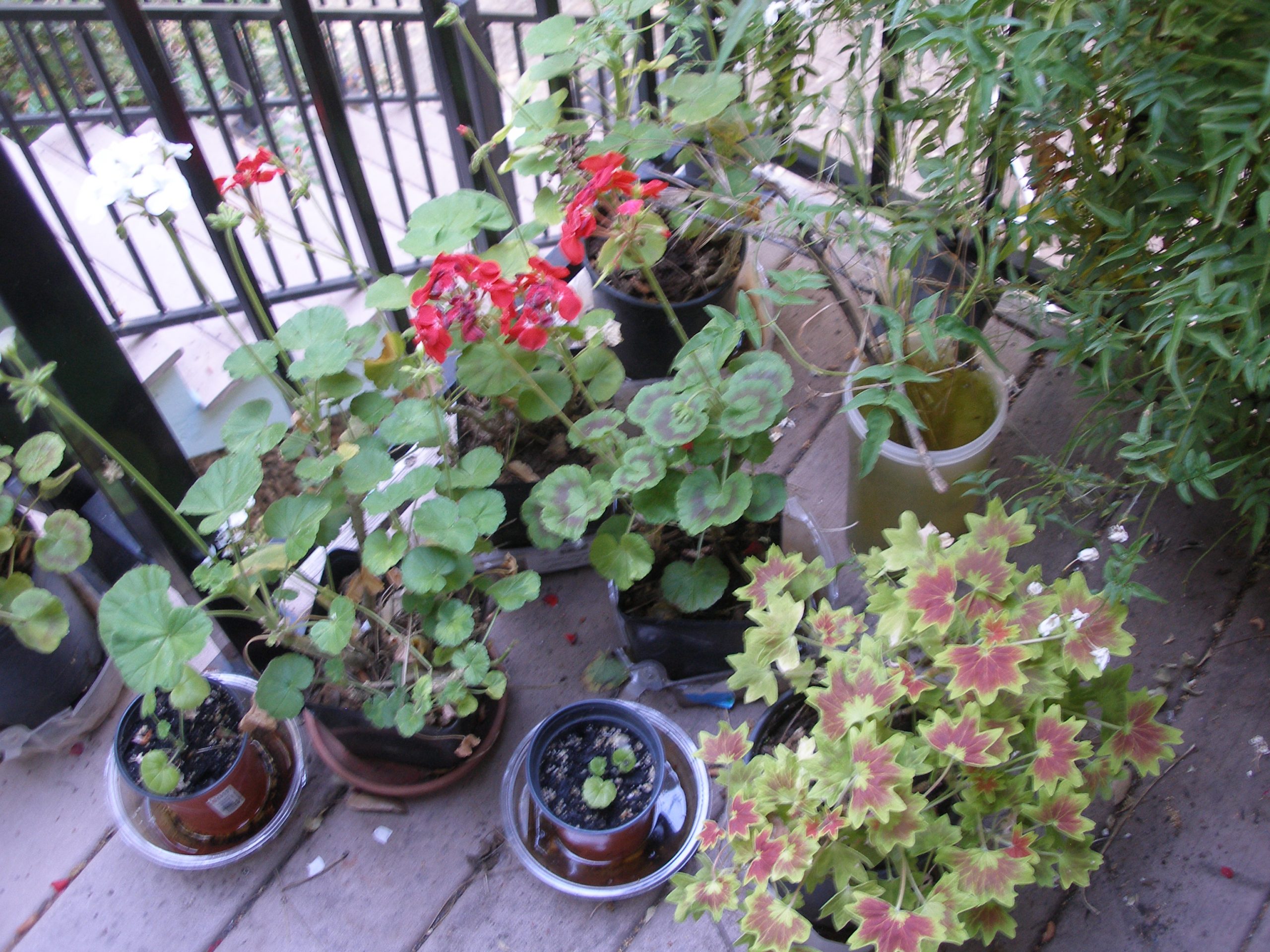
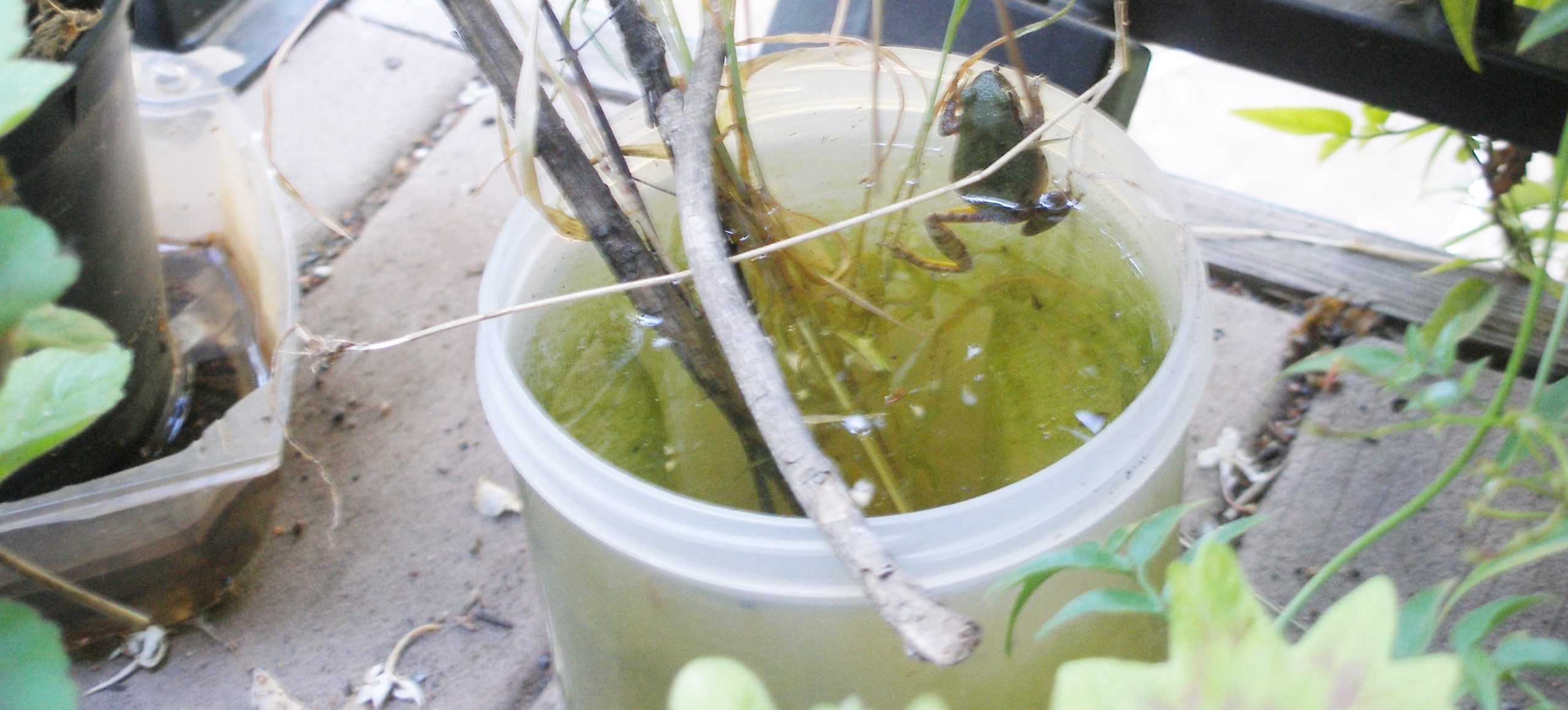
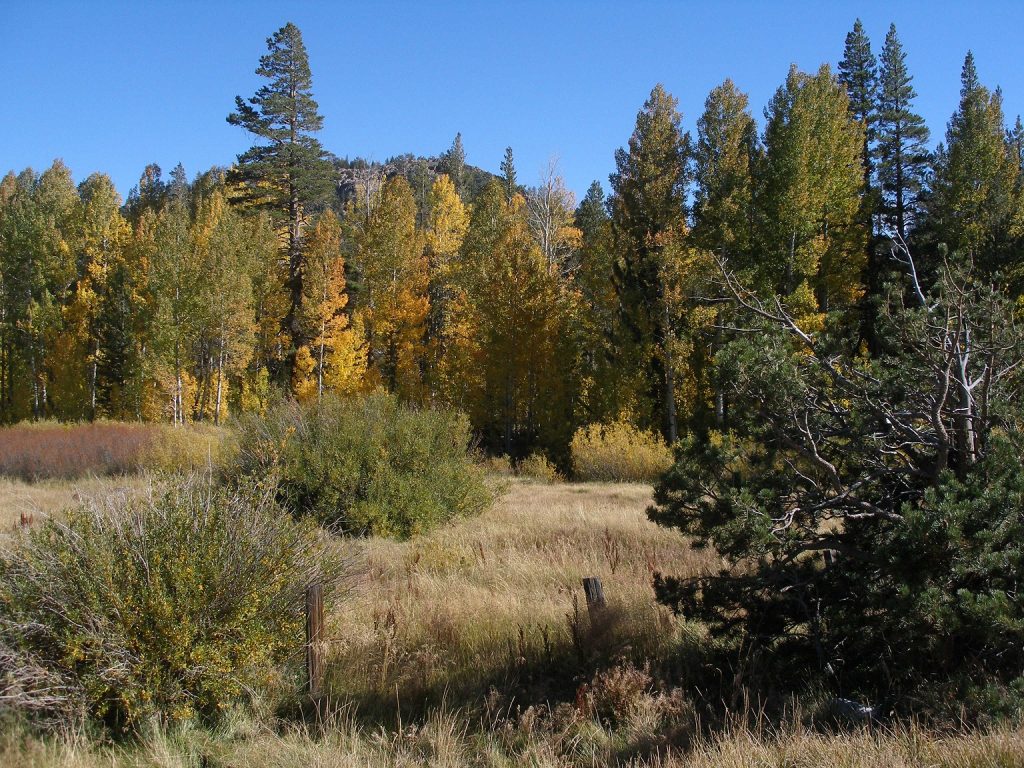
Where do I live? I love on an unruly, not quite an acre, ‘parcel’, as we call cut up pieces of land. It won’t behave, which is what I love about it, something people used to also love, but California has managed to turn wildness into death. The way to reduce the potential death is to hire a company that will log, chop, cut, hack, masticate, eviscerate, gut, spray, everything native and wild on your property, then declare you “safe”. What they are really after is all the California native plants. California’s entire “fire safety” plan depends on the killing of California native plants, the result of which has been catastrophic. Once the native plants are killed, the introduced plants ‘release’ and take over, sometimes within days. These are permanent mass extinctions because the California native plants will never return in the same way again, because they can’t. There are even places where they LEAVE the invasive introduced plants. The California native plants are killed and the nonnative brooms, flammable nonnative grasses (basically California’s state ecosystem at this point), nonnative blackberry, sprawling pea, peppergrass…the list is too long, are left behind. They flourish and say, “thank you for killing the California native plants! Now we can take over–forever!”. This is often done with public tax money. It is not hard to make the leap from the sanctioned killing of California native plants for “public safety”, and what we did to the California (all) Native Americans. We wiped them out, and now we wipe out their plants. It’s the New Colonialism, as I call it. But it gets better. The introduced plants? Most of them are from Europe! So there ya’ go. The Europeans did the job starting about 200 years ago, publicly funded agencies are wrapping up the job. Now we are on to killing the plants the Native Americans depended on.
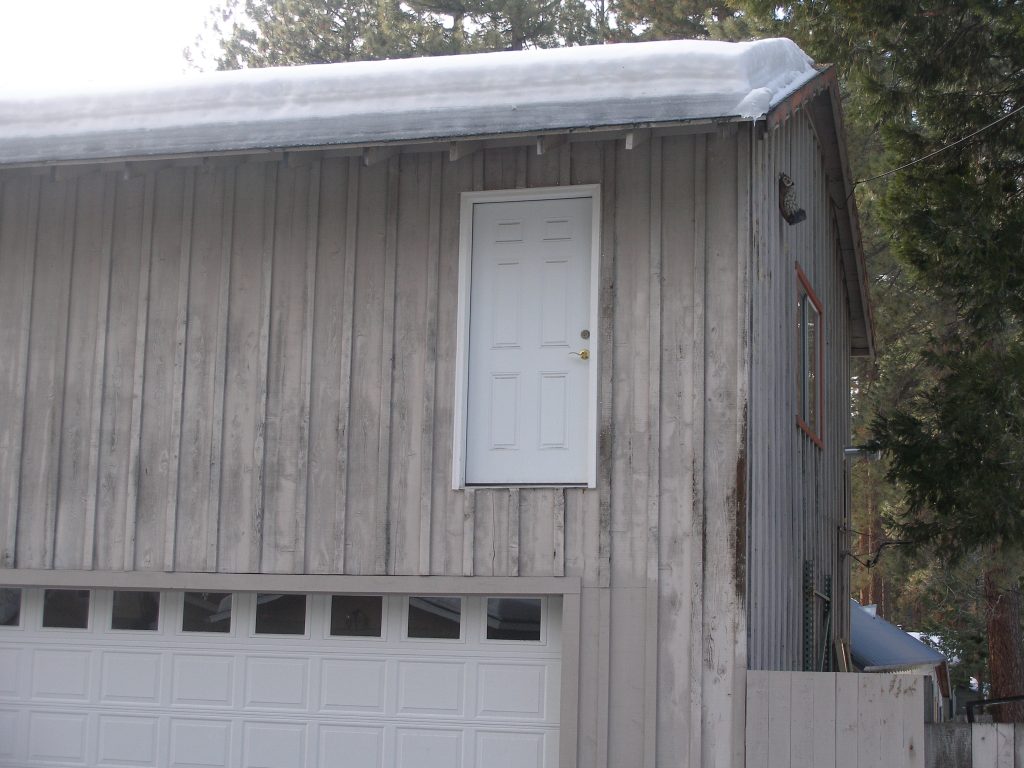
So my little unruly wild almost-an-acre is host to a mind-boggling number of birds, insects, wildlife–“more than human” souls. While not pristine, nothing is California is at this point, it is still about a 50-50 split between nonnative and native plants. Of course, the native plants host the native fauna. My not-quite-an-acre is host to an impressive number of native birds, some of which are my best friends. After all, we have lived together for over twenty years. They say that birds recognize individual people, and I know this to be true. The friendship was forged years ago when a breeding pair of Pacific Slope (Western) Flycatchers nested in the rafters of my garage, right above where I park my car. I had to move their nest and help them fledge their babies by bringing the babies in at night and putting them back into the new nest location in the morning. It worked out extremely well, the parents taking over during the day, my protecting the little ones at night–from everything from cats to foxes and up. Since then, they and/or their progeny, have returned to my not-quite-an-acre, and I wait for their call every spring. It is delightful. I always go ripping out the door to the deck when I first hear it. They’re back! Listen and try not to smile. Wouldn’t you agree that a smile ‘in bird’ would be the call of a Pacific Slope flycatcher?
https://www.allaboutbirds.org/guide/Western_Flycatcher/sounds
Now they come close to me when I talk to them. I believe very strongly they recognize me. It has been quite a few years since any of the couples have tried to breed in the garage again, but this spring, the original parents or more likely their “kids”, tried. I caught them in the garage multiple times and even in a smaller garage. I told both of them to stop. There is a lot of habitat around. Please go out and find some. At one point, what I took to be the female, was sitting on the rolled up garage door. I got on a stool to talk to her. She cocked her head while I was talking to her. When she didn’t fly away, I gently reached to see if she would get on my finger so we could have a real heart-to-heart chat about her nesting habits, and maybe I could walk her up higher on the hill, into some fabulous nesting habitat. But she flew off. Then by damn, it if she didn’t try again! This time I just shooed her out.
Today, I found her, dead, just inside the garage door. Maybe when I pulled the garage door down last night, she was on it, or near it, and she fell off as I rolled the door back down. Maybe I closed her in the garage, in the dark, and she got scared, flew into something. I don’t know. I only know I am filled with grief. In terms of evolution, why did she keep coming back to a situation that put her in peril, or did she realize she was in peril? Why didn’t I look before I pulled the garage door down but then again, I was sure after ‘telling’ her so many times, she wouldn’t–but she did. In addition to feeling sad, I feel frustrated. Was there something more I could have done?
I hear nothing tonight. Not a single call from a Pacific Slope flycatcher, the partner, likely gone, possibly confused, heartbroken. Crying, the tears dropping into the little hole I dug, I buried my little friend at the base of an old Interior Live Oak, and marked the grave with a feather. I never meant to hurt you, my dear little one. We can’t afford to lose you. Forgive me. The night is quiet now. I will miss you, dearest of friends.
According to the North American Bird Breeding Survey, Western Flycatcher populations have declined an estimated 0.45% per year from 1966–2021, for an overall decline of 28% during that time. Partners in Flight estimates a global breeding population of 13.1 million Western Flycatchers and rates the species an 11 out of 20 on the Continental Concern Score, indicating a species of low conservation concern. Loss of mountain coniferous forest habitat, both on breeding and wintering grounds, poses the most significant conservation threat to this species. (Reference: All About Birds, Cornell Lab, https://www.allaboutbirds.org/guide/Western_Flycatcher/lifehistory).